
These projects are compiled from familiar fragments: pixel-built landscapes, looping game animations, product symbols turned into myths, avatars that feel half nostalgic and half broken. Bright colors and clean interfaces promise comfort, while pollution, excess, and decay linger just beneath the surface. The resulting digital environments feel easy to enter—yet difficult to trust.
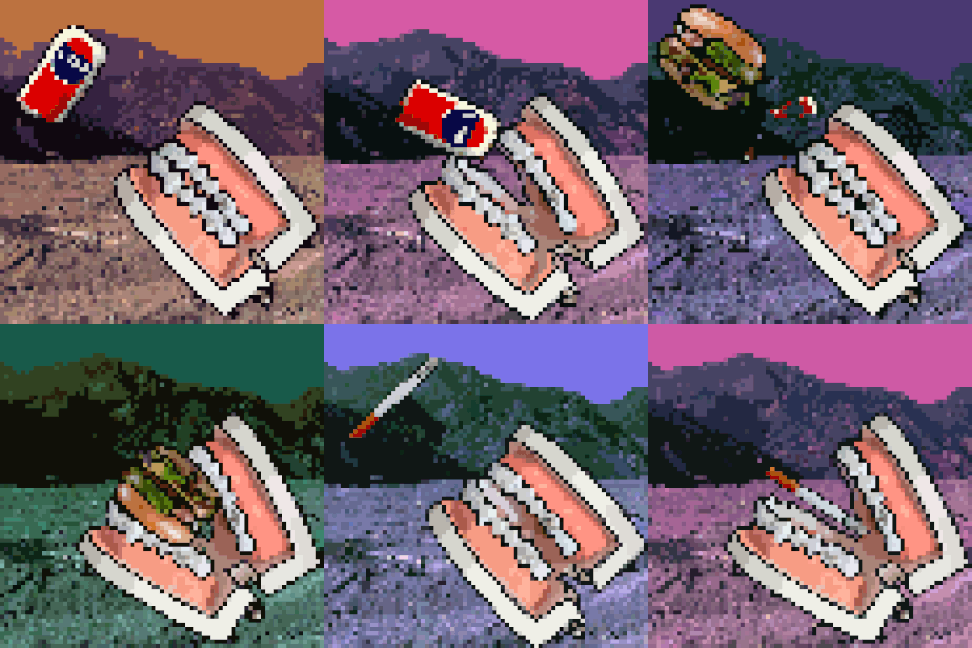
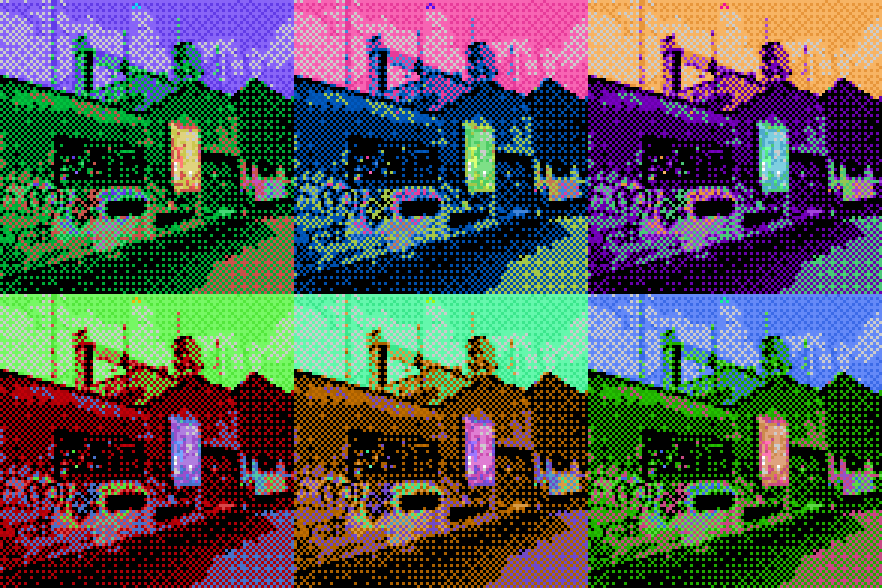
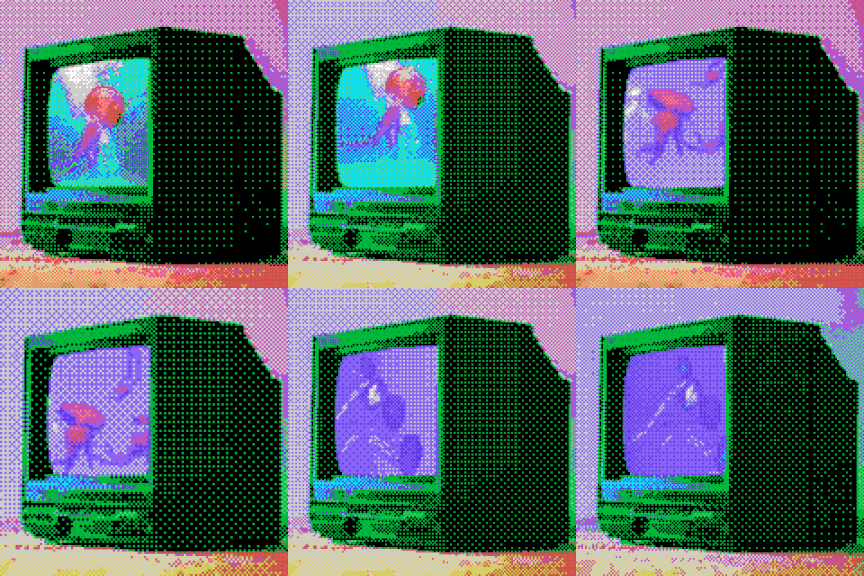
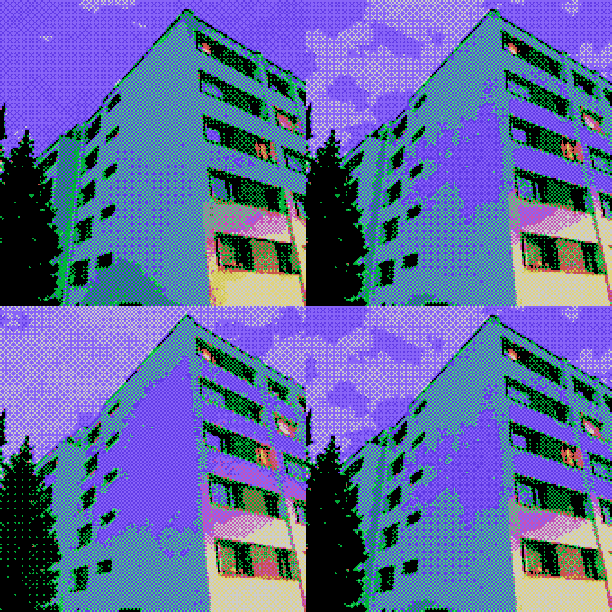
Much of the work leans into nostalgia. Pixel art, simplified environments, and game-like visuals recall early digital worlds and childhood screen experiences. Projects such as “Your Friendly Neighborhood” and “Consumerism Mythology”operate on this level first: approachable, visually clean, almost friendly. Their environments feel recognizable and easy to enter, yet beneath the surface they reflect on systems of overconsumption, repetition, and manufactured desire. Mythology here is not ancient—it is built from products, symbols, and habits that repeat endlessly in digital culture.
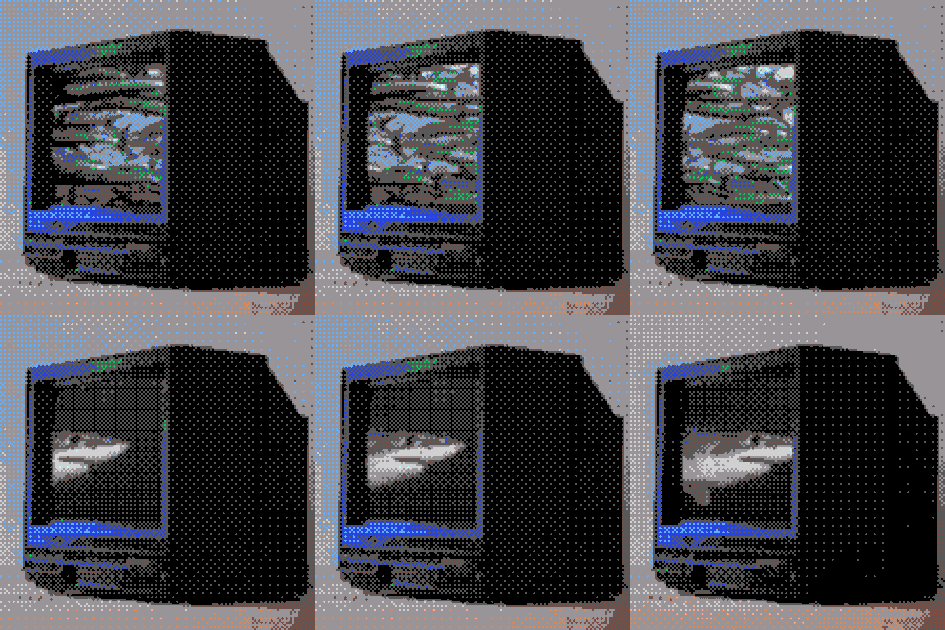
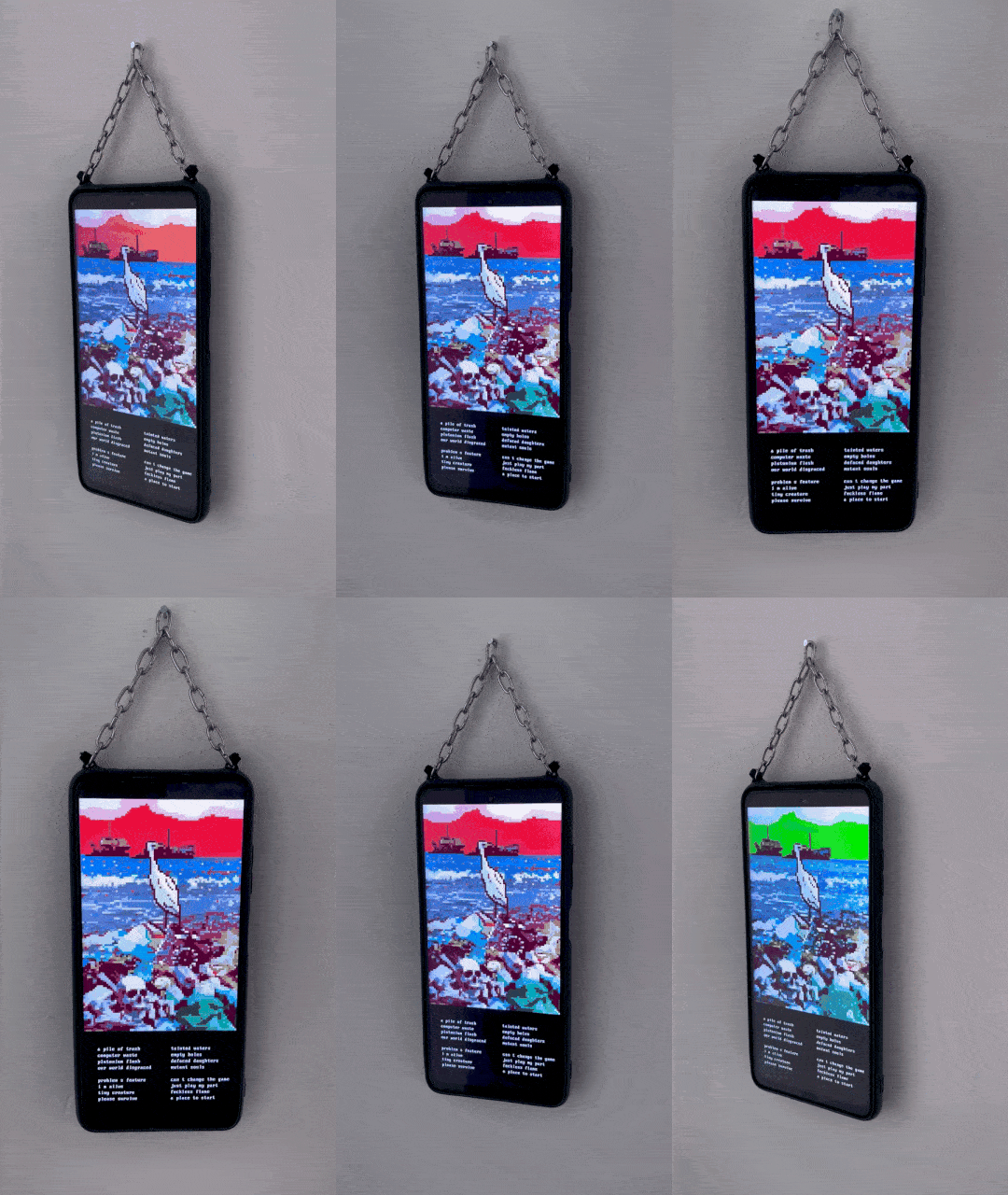
The comfort of these visual worlds is intentionally unstable. In “What Will Be Left of Us” the playful language of pixel art is redirected toward environmental collapse. A colorful animation of a toxic trash beach plays on an old smartphone, a device already slipping into obsolescence. Below it, a poem rendered in a DOS-style interface introduces text as residue—something left behind when systems fail. The installation compresses nostalgia, pollution, and technological decay into a single fragile object, asking what remains when progress moves on.
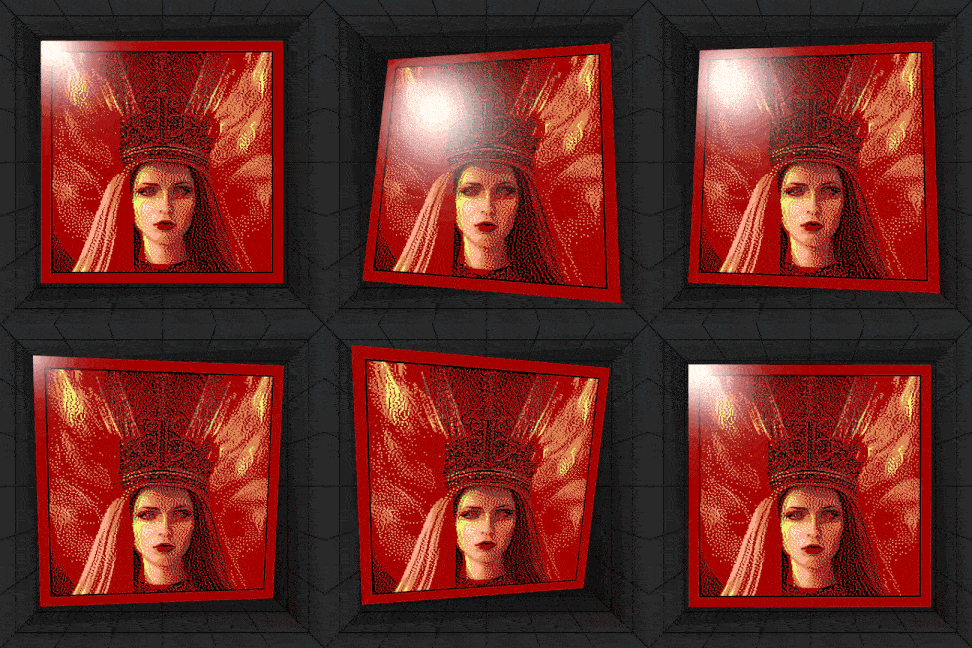
Gaming culture becomes both reference and framework throughout the metaverse explorations. The “Fantasy Retro Game Collection Tokens” draw on the visual grammar of classic role-playing games and arcade interfaces, presenting animated fragments that feel like artifacts from lost or imagined worlds. These tokens offer a sense of high-tech comfort—looping animations, collectible logic, polished fantasy—while quietly pointing toward the emptiness of endless progression and digital ownership.
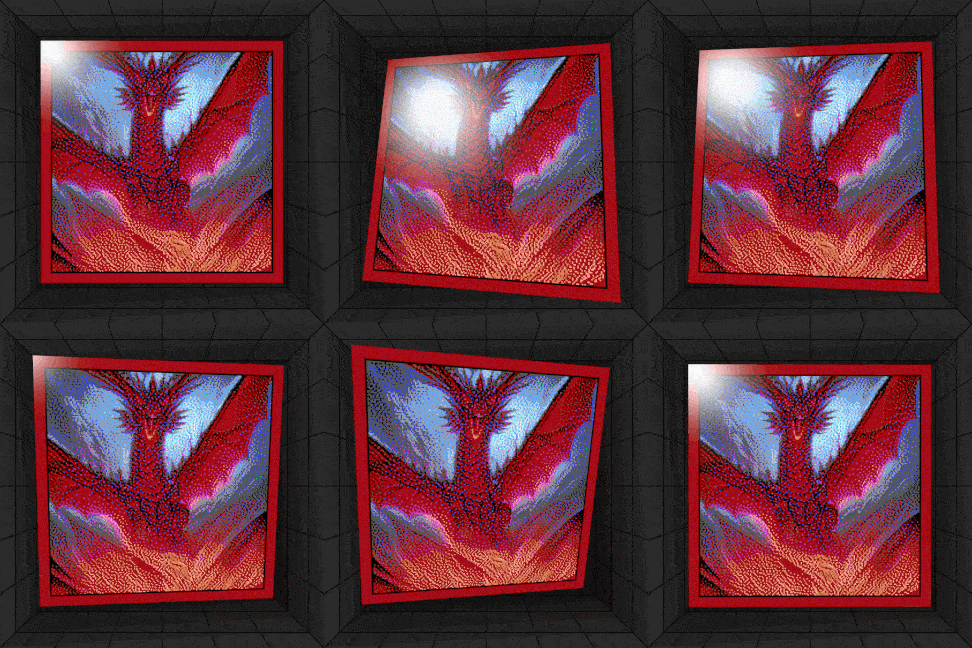
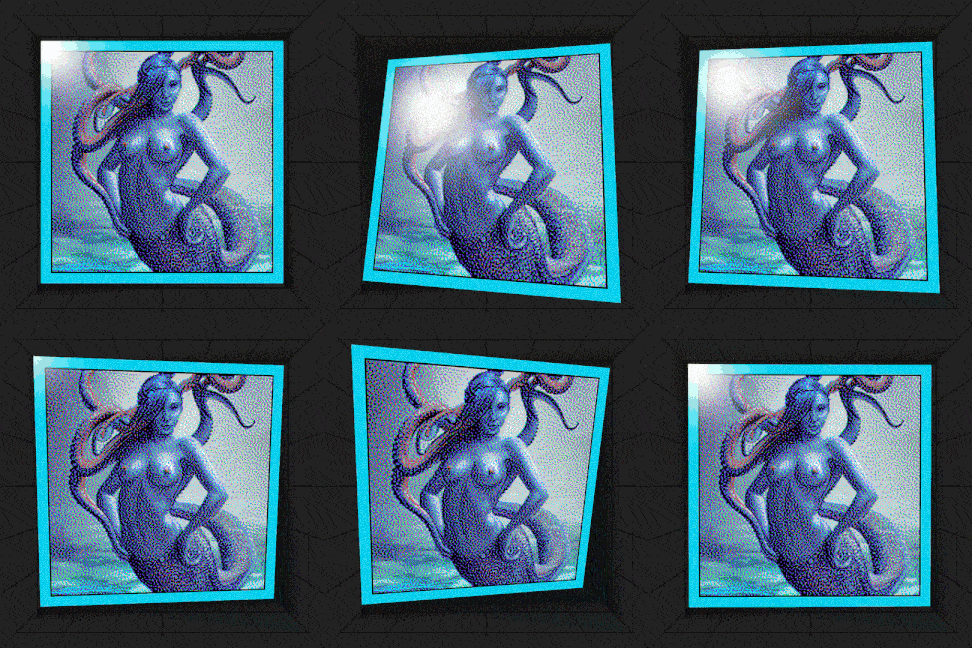
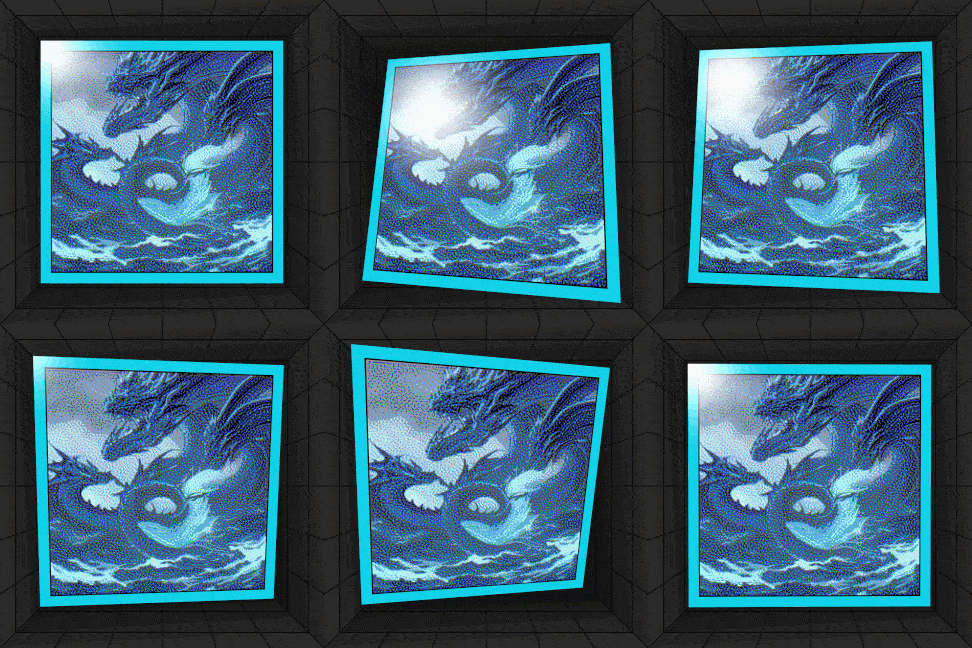
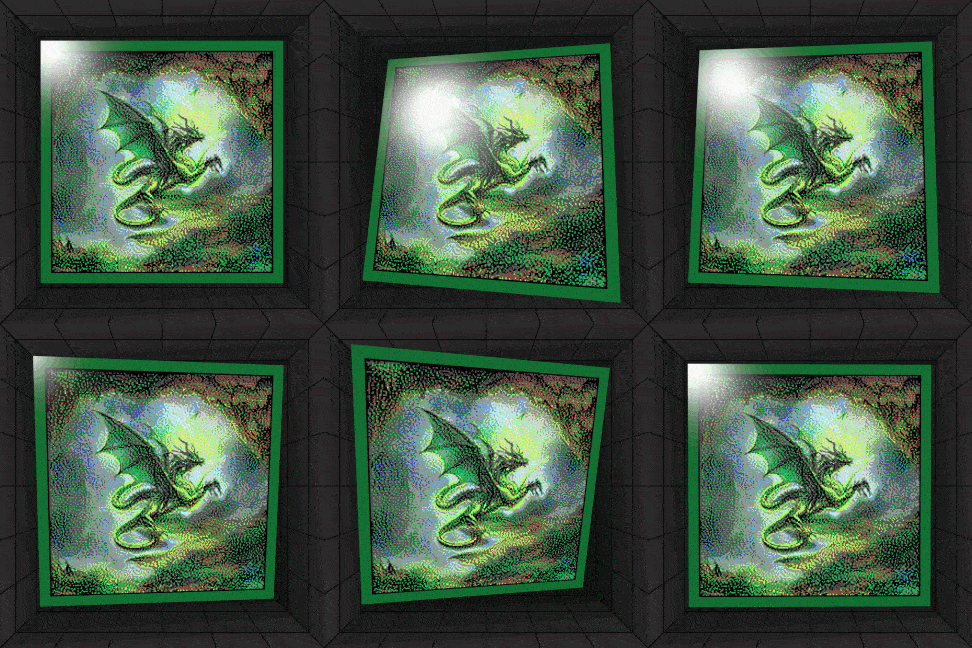
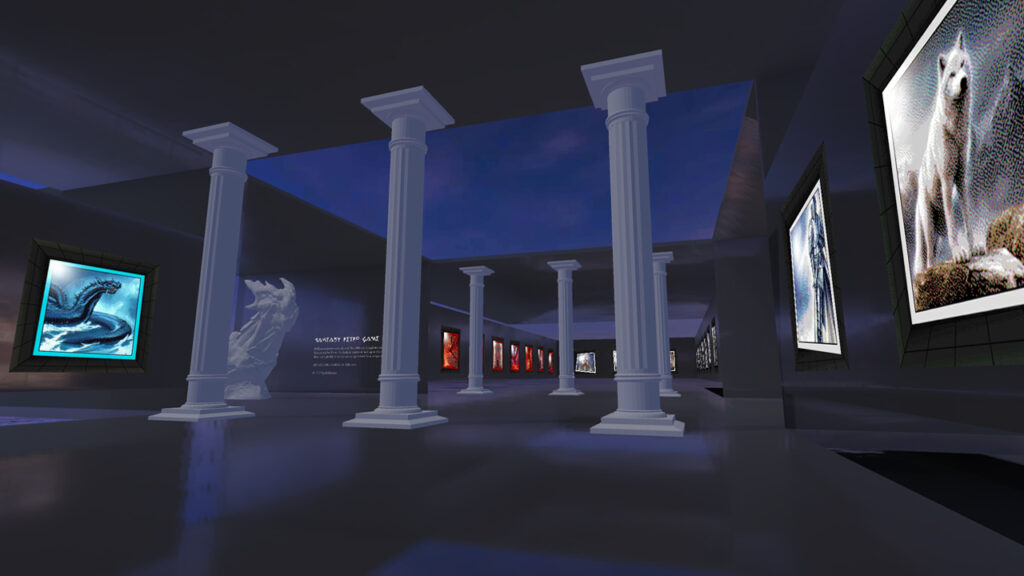
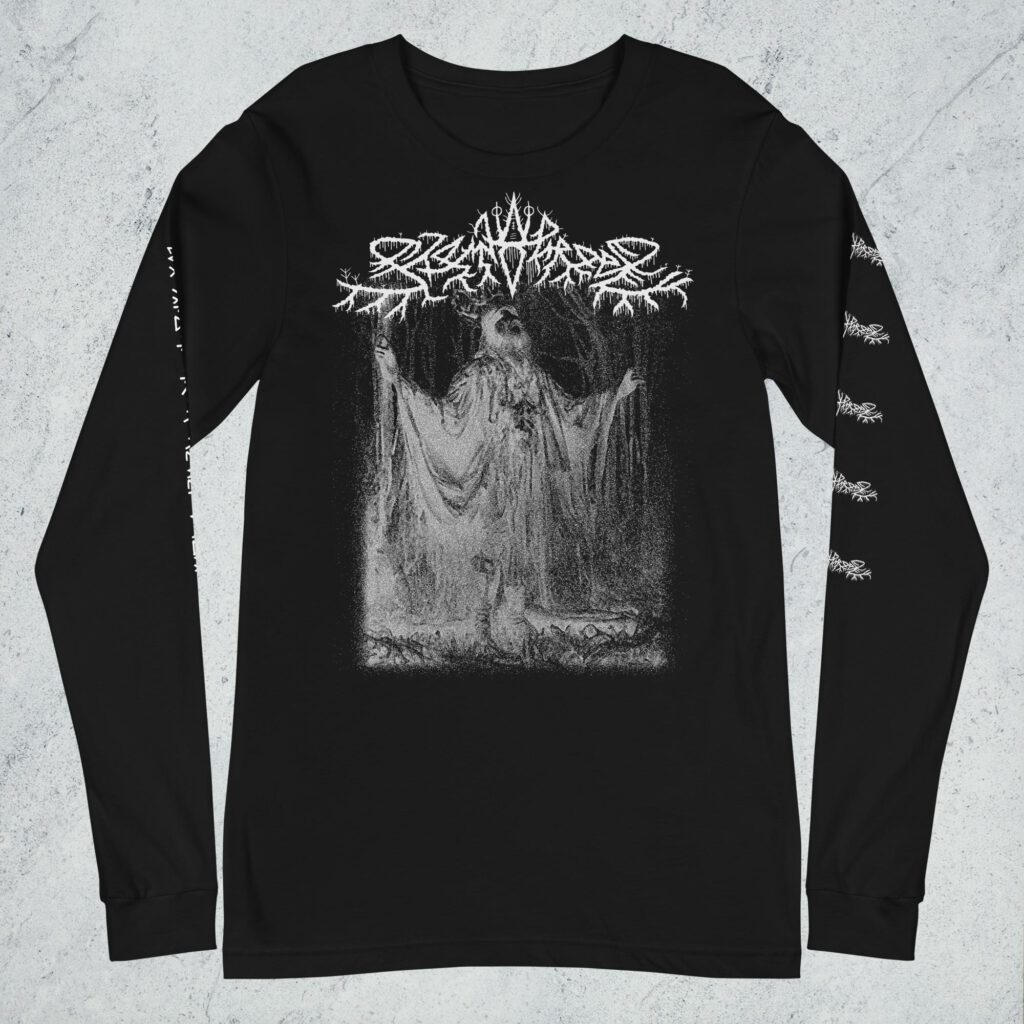
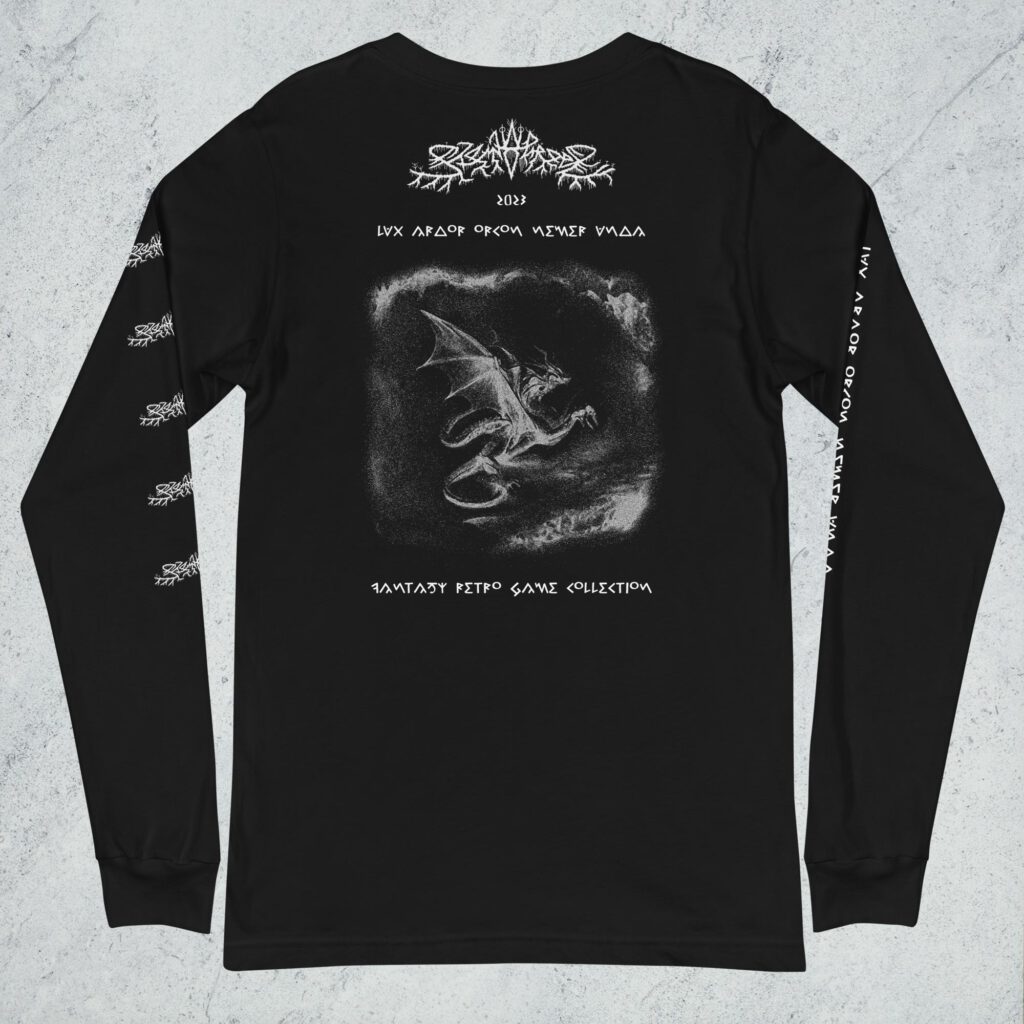
This tension between immersion and distance continues in the virtual exhibition environment hosted on Spatial.io. Here, the work exists inside a navigable digital space, echoing the promise of presence and connection often associated with the metaverse. Alongside this exhibition, a black metal–inspired long-sleeve shirt extends the project into physical reality. The garment functions as both merchandise and marker—an assertion of identity that bridges digital mythology and material culture, echoing the aesthetics of underground music and subcultural belonging.
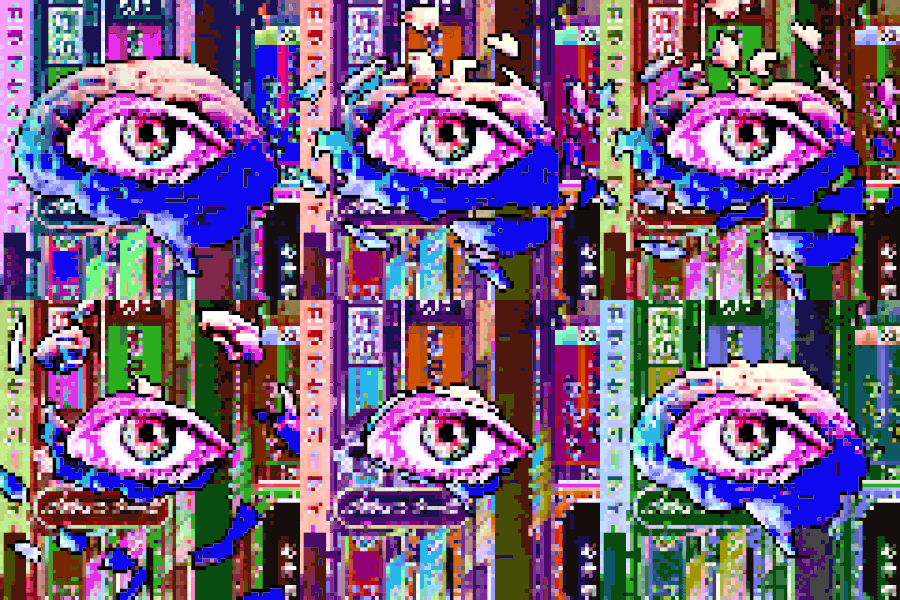
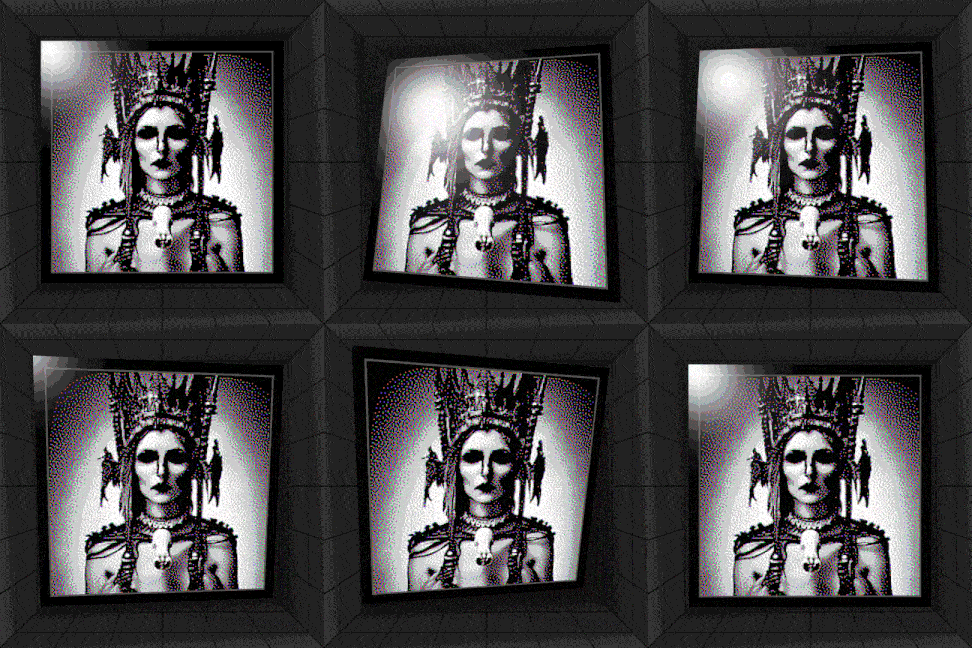
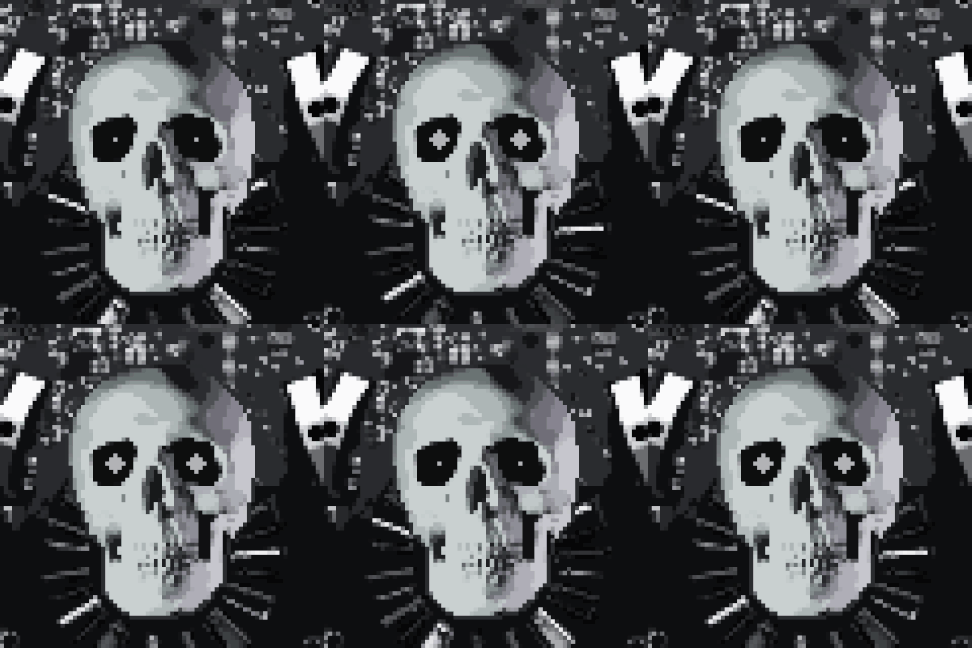
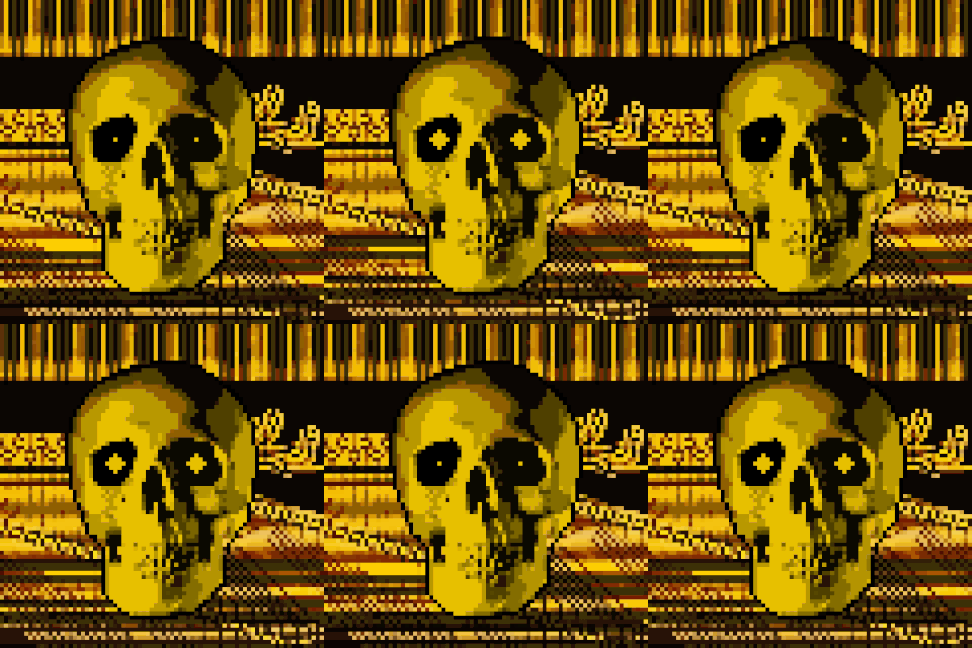
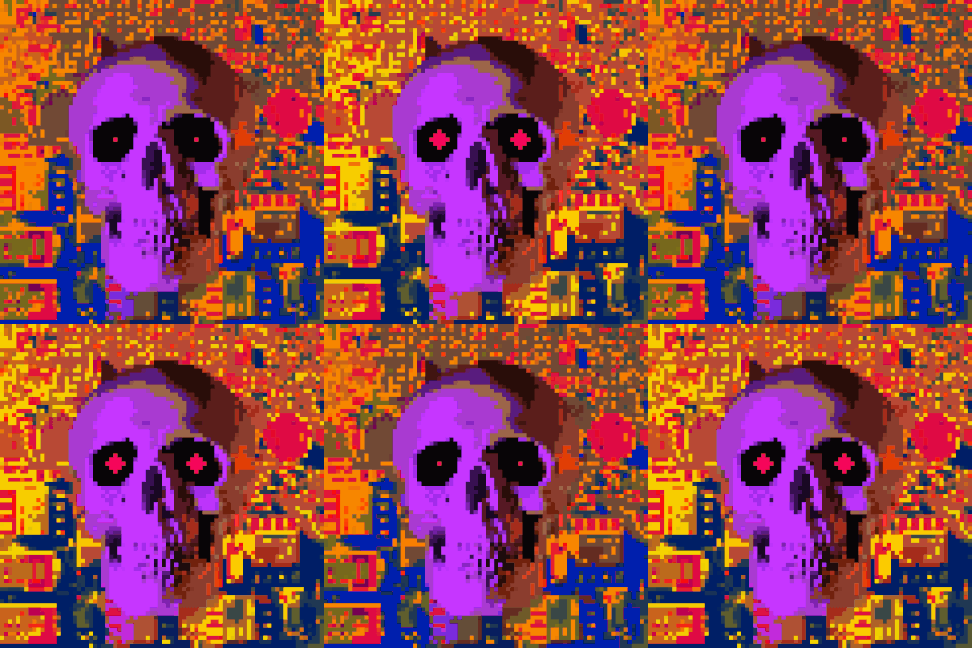
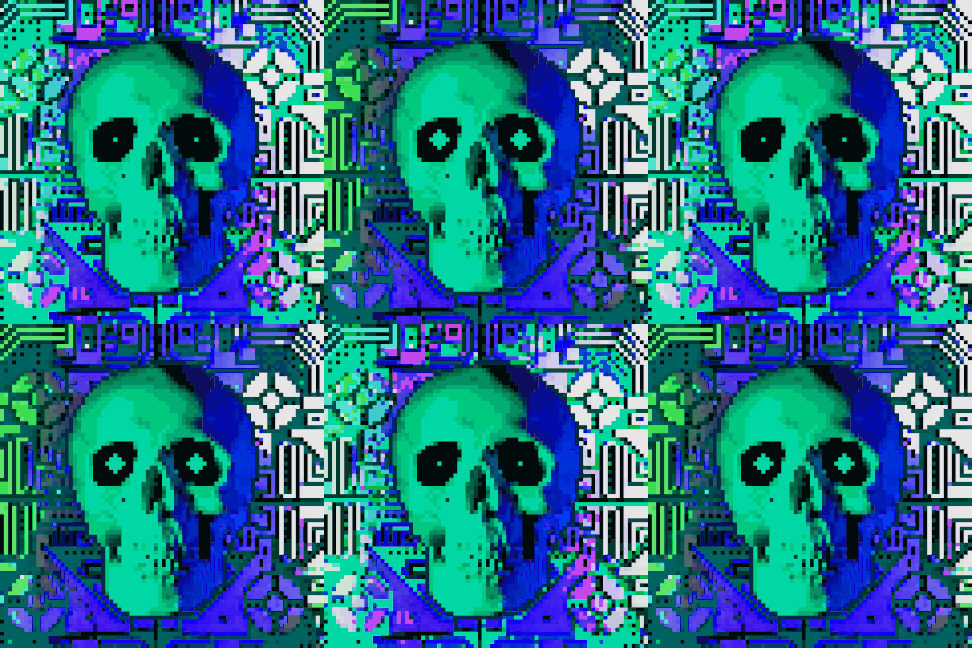
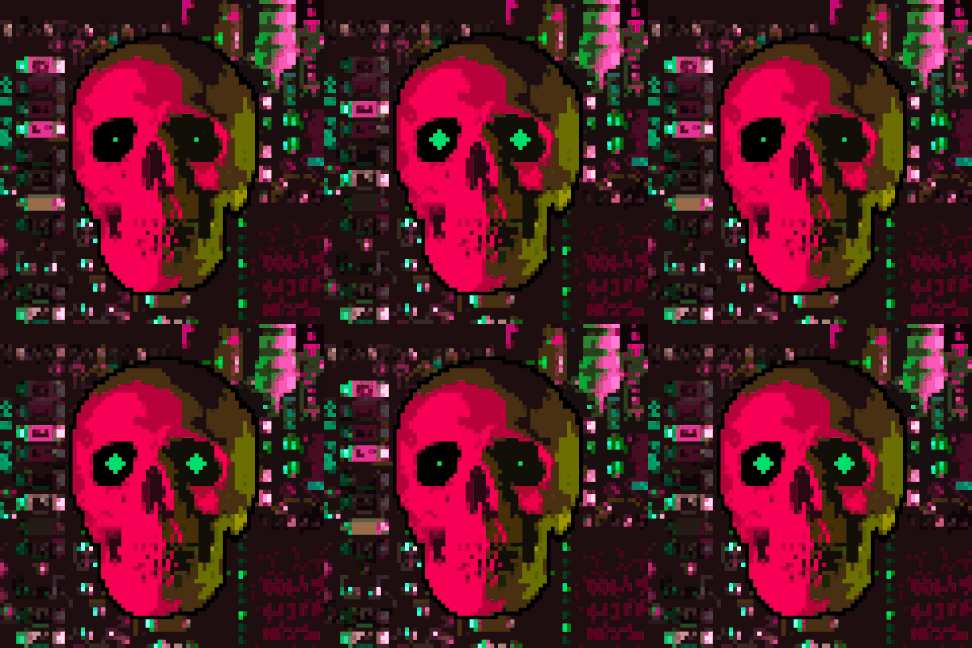
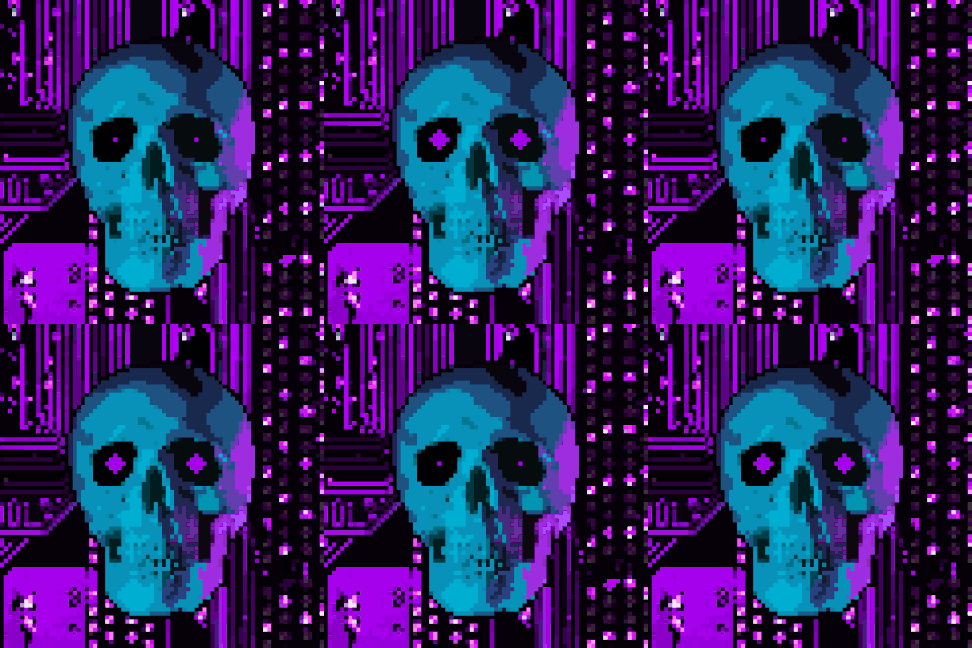
The darker edges of this digital ecosystem surface in “Cyber Necreators”. The project introduces figures that feel part avatar, part symbol—entities shaped by cyber aesthetics, decay, and speculative identity. These works lean further into dystopia, where creation and destruction blur, and digital bodies exist in unstable, constructed worlds. They reflect a future imagined through the lens of excess technology, mythology rebuilt from code, and the lingering presence of human intention inside artificial systems.
Together, these metaverse explorations form a continuous landscape rather than a linear series. Nostalgia softens dystopia, comfort disguises critique, and play becomes a way to approach uncomfortable realities. The work does not offer solutions or conclusions. Instead, it invites immersion—into worlds that feel familiar, inviting, and quietly unsettling, mirroring the contradictions of the digital environments they inhabit.
View full collections here: