
This merchandise project exists alongside the artist’s main practice as an open, experimental space. It focuses on shirts and posters, not as a brand in the conventional sense, but as a flexible format for exploring ideas that sit somewhere between graphic design, illustration, and visual culture.
The work draws from a wide range of references: lo-fi aesthetics, dark and sometimes dry humor, cult and horror imagery, metal and underground music visuals, fragments of pop culture, and elements of Asian graphic and visual traditions. These influences are not organized into a strict system. Instead, they appear, overlap, and disappear depending on the idea being explored at the time. The project functions more as a playground than a statement.
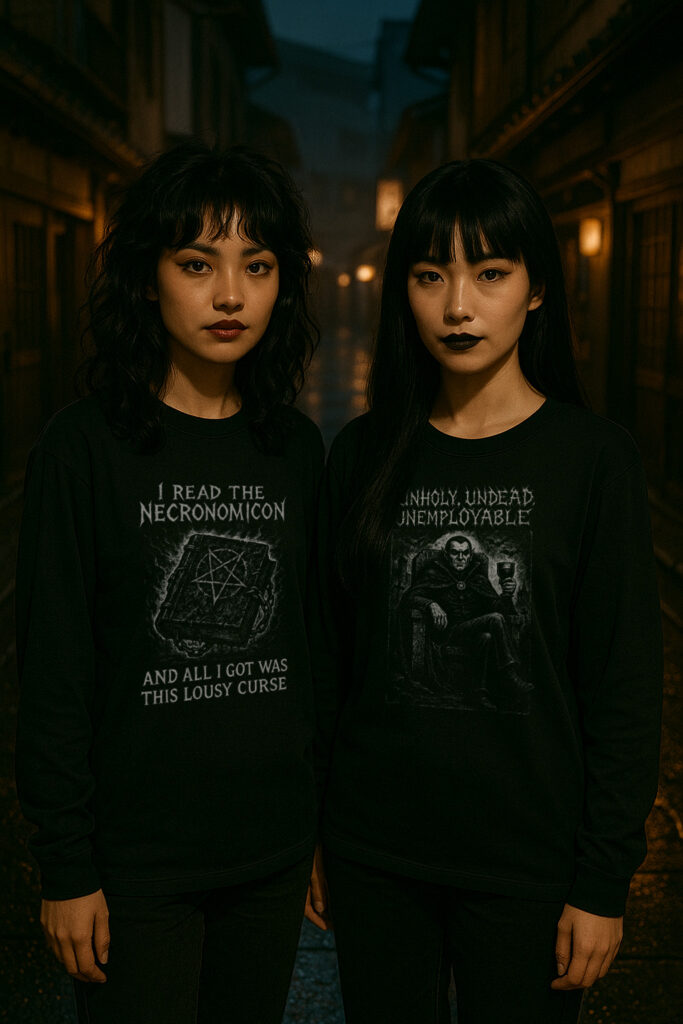
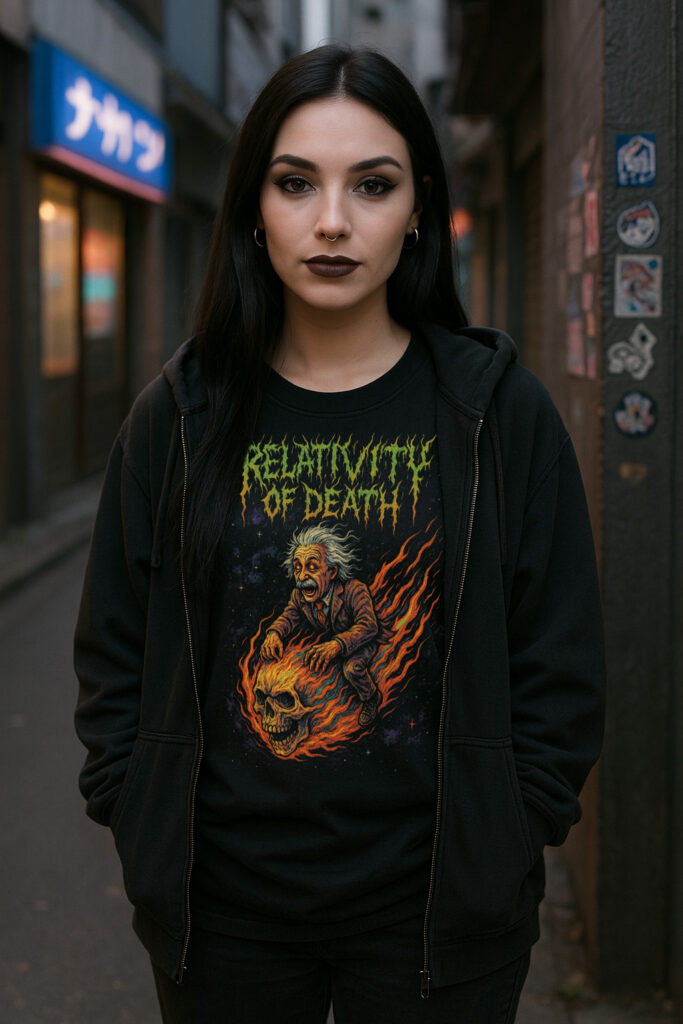
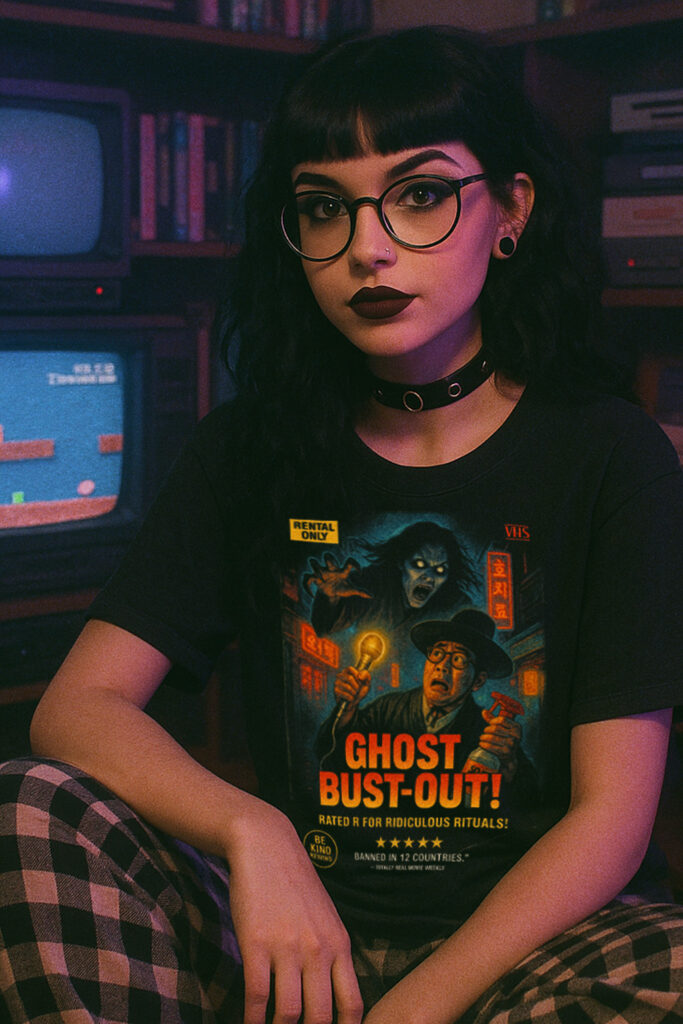
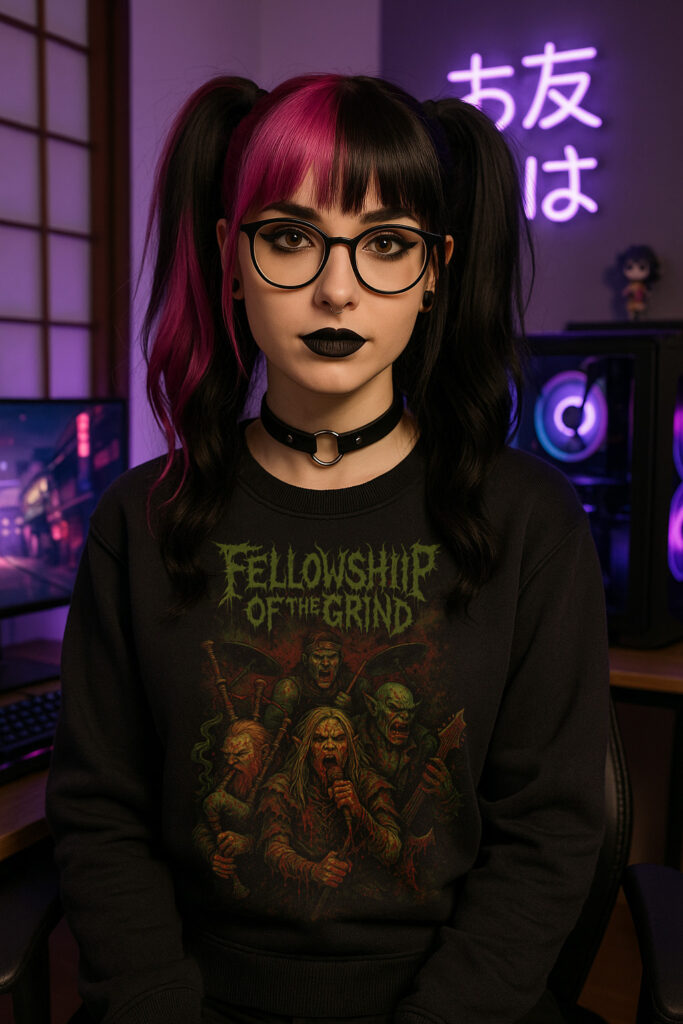
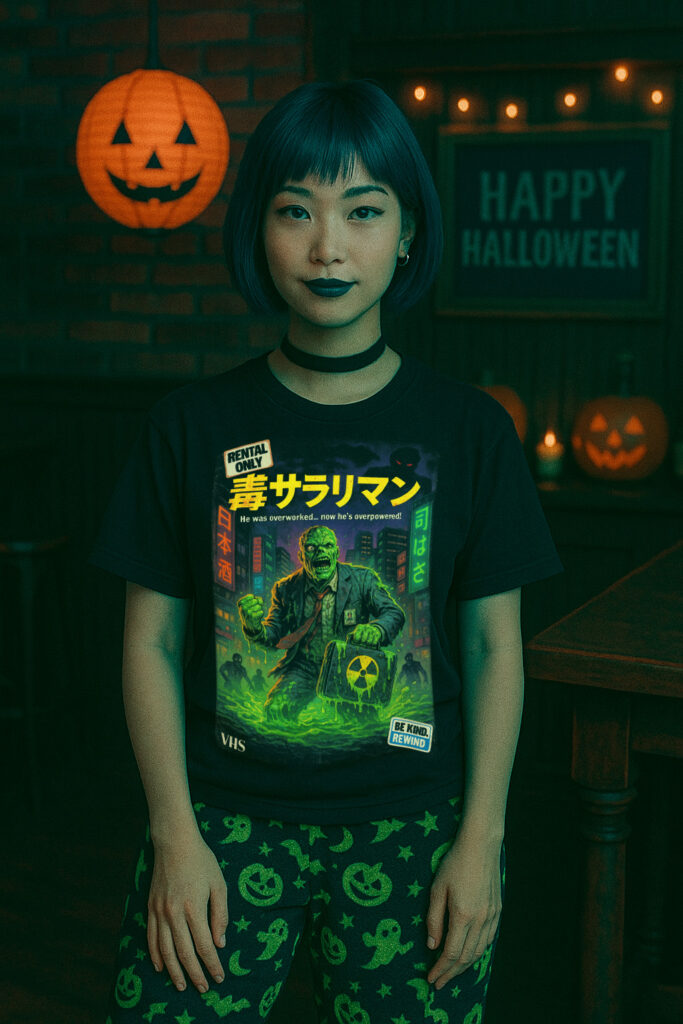
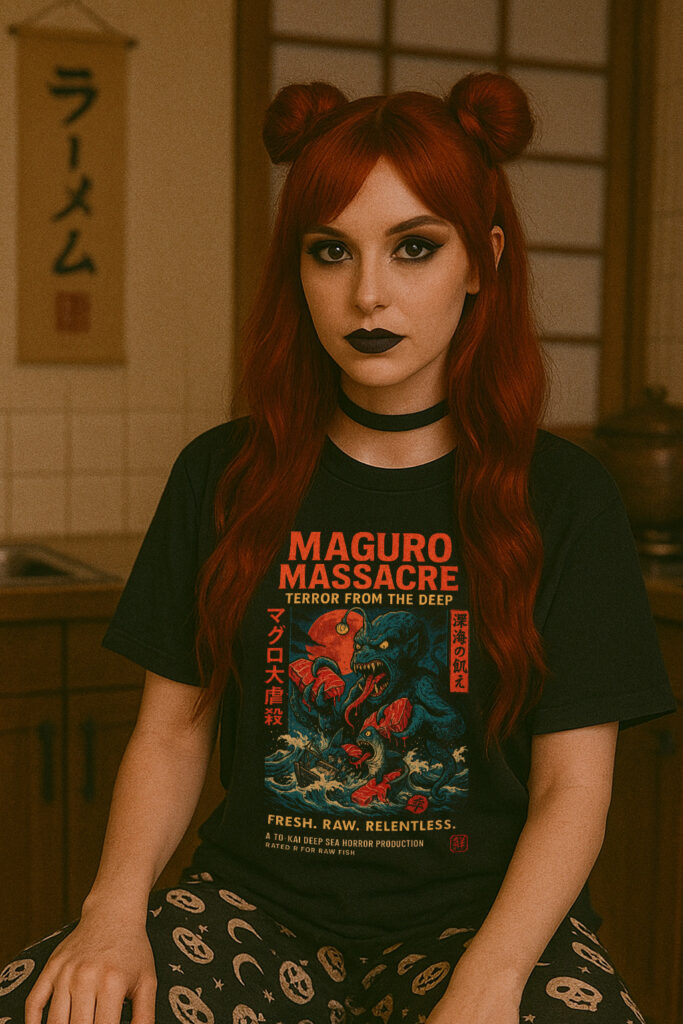
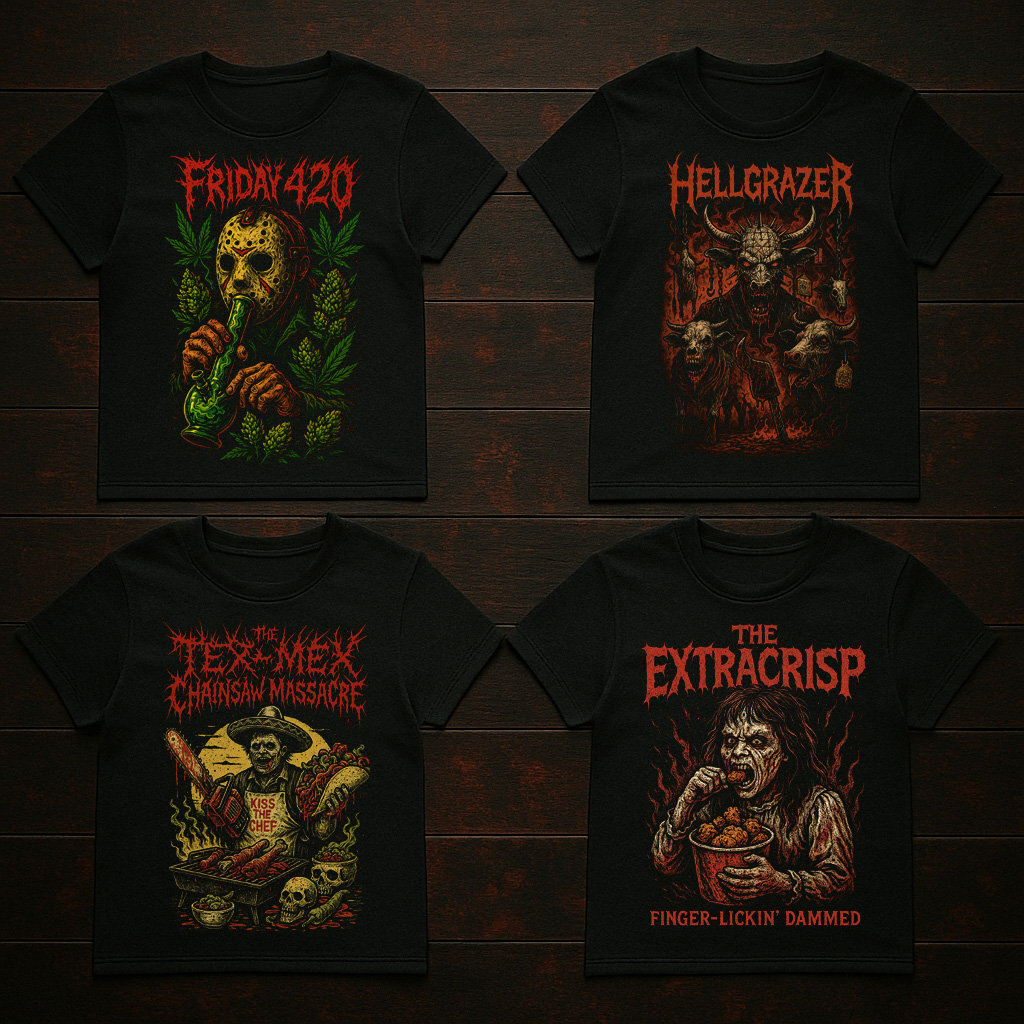
T-shirts are used as a low-commitment surface for testing visual ideas. Many designs are reduced to a single motif, symbol, or phrase, often paired with distressed textures or minimal compositions. The format allows for quick iteration and a direct relationship between image and viewer, making it well suited for humor, irony, and references that work through recognition rather than explanation.
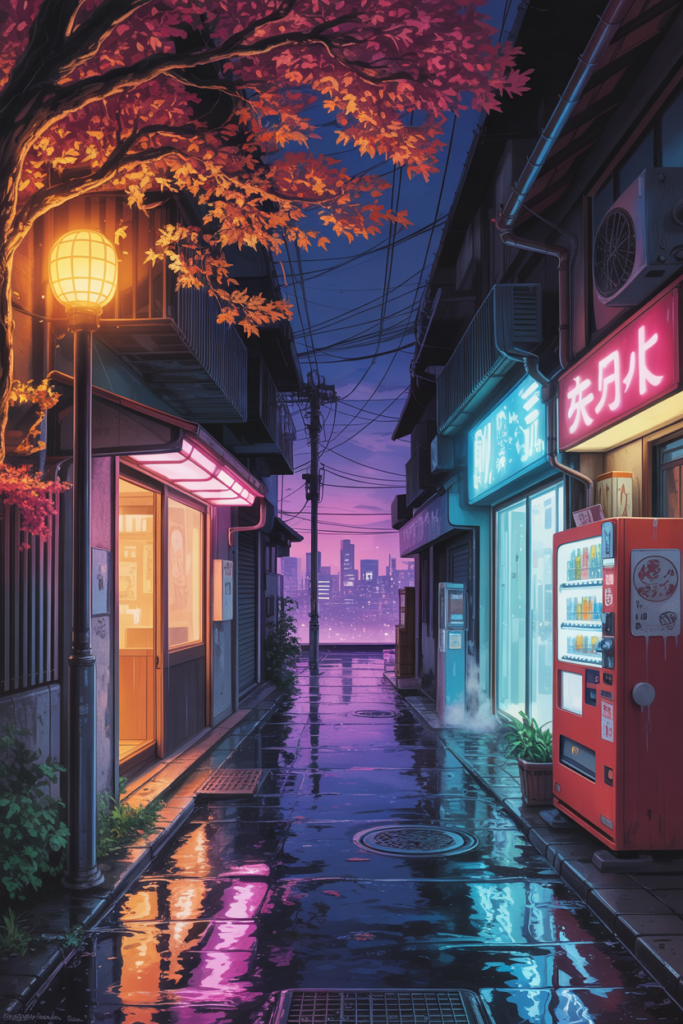
Posters and prints extend the same approach into a more static context. These works often lean further into illustration or atmosphere while maintaining the same casual, exploratory tone. They are intended as accessible art objects—pieces that can live in everyday spaces rather than functioning as limited or precious editions.
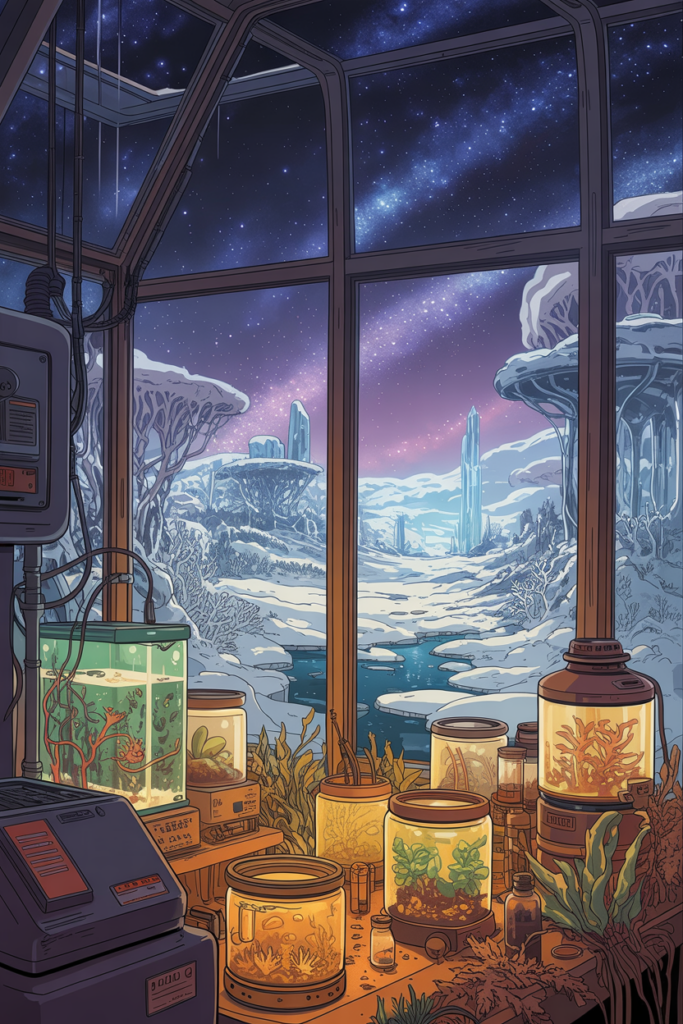
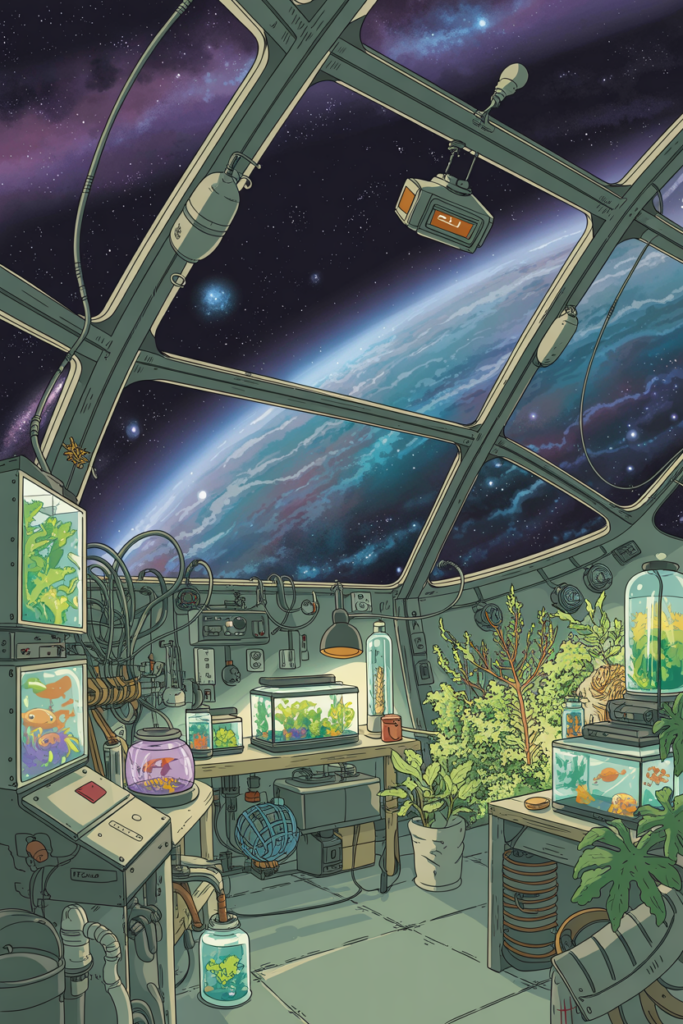
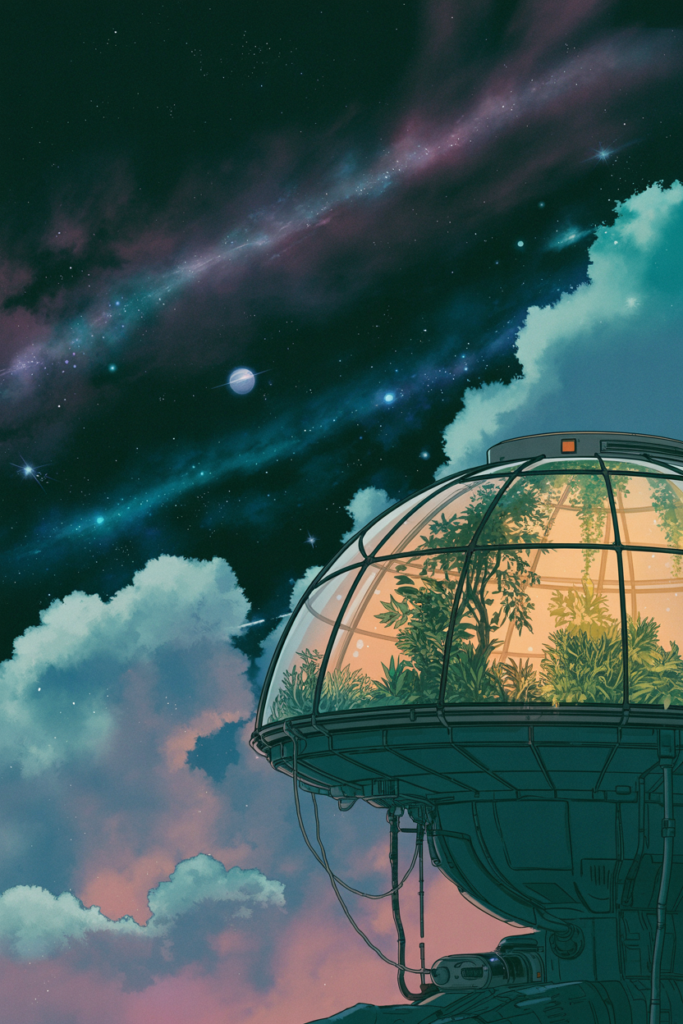
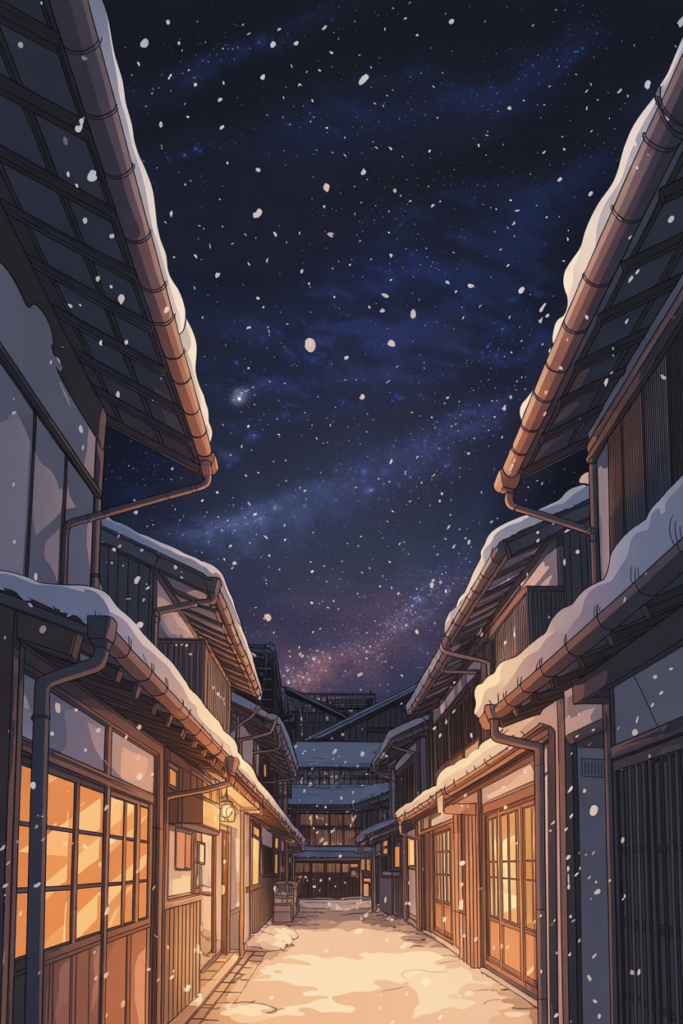
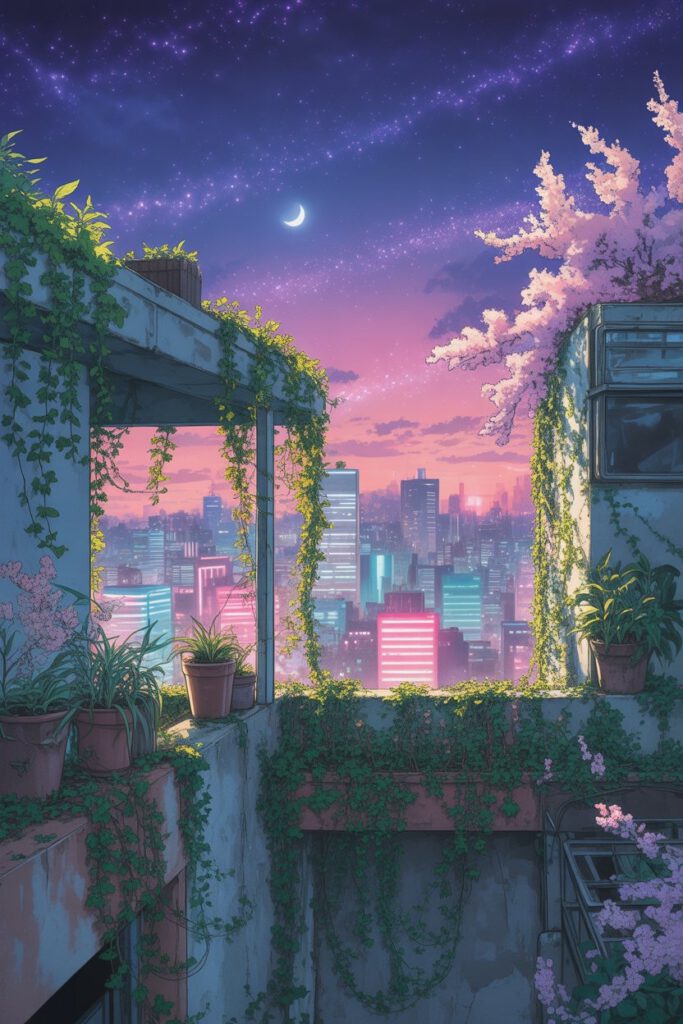
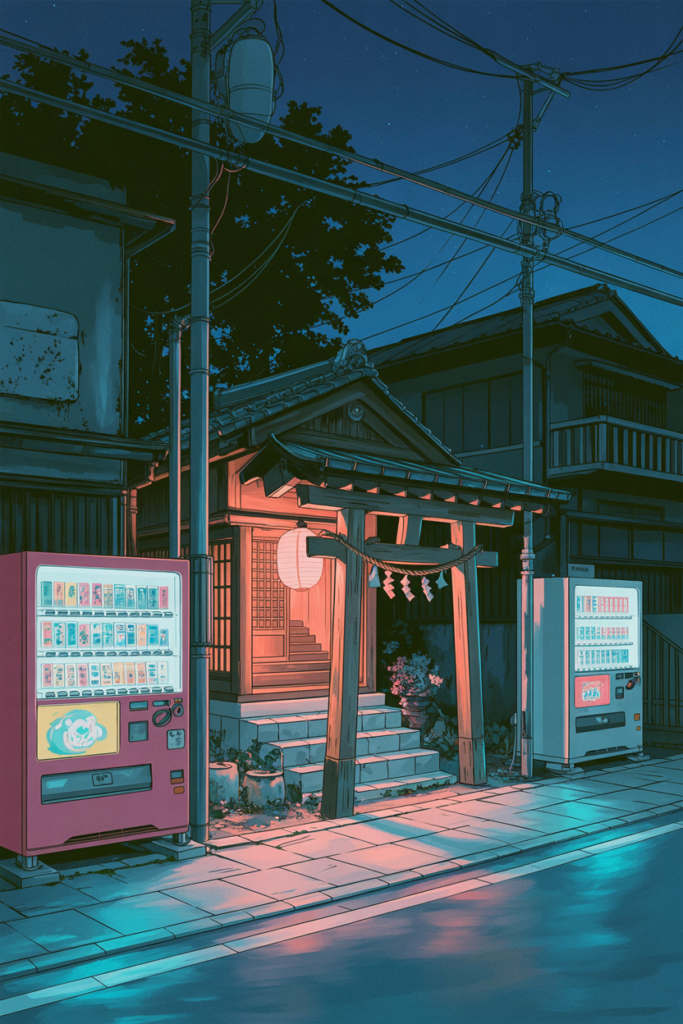
Across both formats, recurring themes naturally emerge: metal-influenced graphics, cult and occult symbols treated with irony, visual jokes drawn from music culture, and minimal layouts built around lo-fi textures. These groupings are informal and fluid, shifting as new ideas are introduced.
The project is distributed through print-on-demand platforms, which supports its ongoing and adaptable nature. Designs remain available without requiring physical stock, allowing the focus to stay on experimentation rather than production logistics. The work can currently be found via TeePublic and Redbubble, where apparel and prints are released as part of this evolving archive.
Within the broader context of the artist’s work, this merchandise project functions as a testing ground. It allows for rapid exploration of visual language, engagement with music and pop culture references, and the freedom to work without long production cycles or conceptual framing. The project remains intentionally open—defined more by use and repetition than by fixed intent.